With the rapid advancement of technology, uv flatbed printers are becoming more and more suitable for production work with the market's unique, high-precision and high-speed pursuit. Producers buy flatbed printers not only to be able to have further production power, lower production margins, but to think about how to get profit quickly, and how to make a surplus.
Before commenting on the cost of the uv flatbed printer, we must first know what invisible cost of the printing business is in production? The uv flatbed printer simply prints the cost, mainly refers to the cost per square ink, which is related to many elements:
DPI, which is the resolution. In simple words, the more dots you print per square, the more full the picture, the more ink you consume, and the number of inkjet points during this period can be close to half the difference.
Whether to spray white ink, there are some white paints on the market that need to be sprayed with white background and white paint. The price of white uv ink is higher than that of colorful uv ink. If the same DPI inkjet, you can spray a layer of white. Ink, the cost of this will be even higher.
If you print a full-color picture, the cost of printing ink is about 6-7 yuan, and the relief effect is more expensive. If you are doing a background wall, you can't buy a embossed one. You can buy a sand blasting machine and sculpt the printed picture.
Showing posts with label uv flatbed printer. Show all posts
Showing posts with label uv flatbed printer. Show all posts
Friday, November 2, 2018

Tuesday, October 23, 2018
How to test printhead material compatibility?
We all know that inkjet printheads can be divided into oily printheads, water-based printheads, and water-oil general-purpose printheads, depending on the ink used.
What kind of ink can be applied to a model of print head, not to mention that it is necessary to repeat a large number of test work in a controlled test environment for a long time to prove that the ink will not corrode or penetrate the inner cavity of the ink path of the print head. Material to ensure that the print head works properly during the expected life.

Taking the XAAR 1201 print head as an example, the ink path cavity is composed of five different materials. In the test, each material sample needs to be continuously immersed for 12 weeks in a fixed constant temperature and humidity environment, and the degree of corrosion and penetration of each material is recorded periodically to determine whether the ink can pass the test.
This type of test is called material compatibility testing and requires the use of a material compatibility test package from the original printhead. The test results are authoritative and representative. If you just fill the ink into the print head and hit the bubble, you can judge whether the ink is available. This is not a professional test behavior. The result is often the risk is passed on to the printer user.
 If it is a desktop printer printhead for office use, the original design is to print daily documents, the amount of ink is not large, not often printed in large quantities, and must be used with the original ink, the printing effect is guaranteed. After such a print head is transplanted to a photo machine, various problems caused by changes in the use environment are unacceptable to many end users.
What kind of ink can be applied to a model of print head, not to mention that it is necessary to repeat a large number of test work in a controlled test environment for a long time to prove that the ink will not corrode or penetrate the inner cavity of the ink path of the print head. Material to ensure that the print head works properly during the expected life.
Taking the XAAR 1201 print head as an example, the ink path cavity is composed of five different materials. In the test, each material sample needs to be continuously immersed for 12 weeks in a fixed constant temperature and humidity environment, and the degree of corrosion and penetration of each material is recorded periodically to determine whether the ink can pass the test.
This type of test is called material compatibility testing and requires the use of a material compatibility test package from the original printhead. The test results are authoritative and representative. If you just fill the ink into the print head and hit the bubble, you can judge whether the ink is available. This is not a professional test behavior. The result is often the risk is passed on to the printer user.

Monday, September 17, 2018
CMYK and RGB in UV Printer Printing
CMYK is also known as the print color mode. The biggest difference between it and RGB is that the RGB mode is a luminescent color mode, and you can still see the content on the screen in a dark room.
Because the sun or the light shines on the newspaper, the content is reflected into our eyes. CMYK can only be seen if there is an external light source. So it is impossible to read in a dark room. As long as the image is seen on the printed matter, it is expressed in CMYK mode. For example, journals, magazines, newspapers, brochures, etc., all use the CMYK model.
 CMY is the first letter of the three printing ink names: Cyan Cyan, Magenta Magenta, Yellow Yellow. K takes the last letter of black, and uses K to avoid confusion with blue.
In theory, only three CMY inks are needed. When CMY is added together, it should be black. However, high-purity inks are not yet available, and the result of CMY addition is dark red. Therefore, in order to ensure the output of black, it is necessary to add a special black ink to reconcile.
 RGB is generally called [color three primary colors], R (red) red, G (green) green, B (blue) blue, RGB color tone is 0-255, because RGB is color light, so the superposition of colors is more The brighter it is, it is also called [additive color method].
When the three color values are 255, white will appear. Otherwise, when the three RGB color values are 0, it will turn black. From the RGB color relationship diagram above, it can be seen that B+G is cyan, B+R is magenta, and G+R is yellow, which is complementary to CMYK color.
- CMYK is a color mode that relies on reflection. Why can we read the contents of newspapers?
Because the sun or the light shines on the newspaper, the content is reflected into our eyes. CMYK can only be seen if there is an external light source. So it is impossible to read in a dark room. As long as the image is seen on the printed matter, it is expressed in CMYK mode. For example, journals, magazines, newspapers, brochures, etc., all use the CMYK model.

In theory, only three CMY inks are needed. When CMY is added together, it should be black. However, high-purity inks are not yet available, and the result of CMY addition is dark red. Therefore, in order to ensure the output of black, it is necessary to add a special black ink to reconcile.

When the three color values are 255, white will appear. Otherwise, when the three RGB color values are 0, it will turn black. From the RGB color relationship diagram above, it can be seen that B+G is cyan, B+R is magenta, and G+R is yellow, which is complementary to CMYK color.
Wednesday, September 12, 2018
UV Flatbed Printer Personalized Application Solution
UV flatbed printing application in the personalized gift market
Printing your own photos or favorite image text icons on the gift, getting rid of the gift of the same face has become a gift trend, more reflects the value of the gift and the gifter's originality.
Home decoration and furniture market
The domestic home decoration and decoration market has reached tens of billions, and the personalized decoration of the family is also quietly popular. Users can print their favorite photos or images on tiles, decorative paintings, floors and furniture according to their favorite home styles, and decorate their homes with their favorite styles to create their own personal space.
Personalized product market
Most of the popular mobile phone and digital product market users are young and fashionable. Printing their own logo on digital products is the best embodiment of the young fashion group's personality. Some carry-on items such as backpacks, lighters, makeup mirrors, wallets, etc. are also ways in which these users embody their own personality.
Personalized image consumer goods market
In the rapid development of digital imaging, people are no longer limited to printing their own photos on photo paper. The digital printing system can print any image on metal, glass, crystal, acrylic, canvas, ceramics and other products. The effects of products printed on different materials give people different feelings. People can print their own photos on different materials to enrich the expression and effect of the photos.
Movie game animation and other popular culture peripheral products market
The digital printing system can also print some popular movie and other popular elements pictures on some cultural products according to the latest fashion trends.
Advertising and signage market
Full-color printing such as time card, metal membership card, authorization card, badge listing, etc. is difficult to achieve with ordinary printing technology.
Professional sample
One-time molding does not require plate making, some of its materials can be used repeatedly, and the cost is low; the computer can be directly produced, typeset, and modified, and the operation is simple and efficient, and the cost is greatly reduced.
High quality professional small batch printing
Inkjet direct printing eliminates the need for plate making, high image quality, accurate color positioning, rich printable media, and a wide customer base.
Printing your own photos or favorite image text icons on the gift, getting rid of the gift of the same face has become a gift trend, more reflects the value of the gift and the gifter's originality.
Home decoration and furniture market
The domestic home decoration and decoration market has reached tens of billions, and the personalized decoration of the family is also quietly popular. Users can print their favorite photos or images on tiles, decorative paintings, floors and furniture according to their favorite home styles, and decorate their homes with their favorite styles to create their own personal space.
 |
| uv flatbed printer sample |
Most of the popular mobile phone and digital product market users are young and fashionable. Printing their own logo on digital products is the best embodiment of the young fashion group's personality. Some carry-on items such as backpacks, lighters, makeup mirrors, wallets, etc. are also ways in which these users embody their own personality.
Personalized image consumer goods market
In the rapid development of digital imaging, people are no longer limited to printing their own photos on photo paper. The digital printing system can print any image on metal, glass, crystal, acrylic, canvas, ceramics and other products. The effects of products printed on different materials give people different feelings. People can print their own photos on different materials to enrich the expression and effect of the photos.
 |
| Cosmetic print sample |
The digital printing system can also print some popular movie and other popular elements pictures on some cultural products according to the latest fashion trends.
Advertising and signage market
Full-color printing such as time card, metal membership card, authorization card, badge listing, etc. is difficult to achieve with ordinary printing technology.
 |
| leather print sample |
One-time molding does not require plate making, some of its materials can be used repeatedly, and the cost is low; the computer can be directly produced, typeset, and modified, and the operation is simple and efficient, and the cost is greatly reduced.
High quality professional small batch printing
Inkjet direct printing eliminates the need for plate making, high image quality, accurate color positioning, rich printable media, and a wide customer base.
Thursday, September 6, 2018
Xaar Print Head Will Become The Mainstream Print Head of UV Flatbed Printer
The Xaar 1001 printhead has many patented design techniques that lead the development of digital inkjet decoration technology in many respects, especially the superior printing results produced by the use of ink droplets to optimize grayscale technology, which highlights its outstanding leadership.
Specifically, the Xaar 1001 printhead has the advantage of having ink drop optimization technology:
This technology enables the ejection of ink droplets of various sizes and sizes on the ceramic tile, which means that the size of the ink droplets can be varied. The variable ink droplet model has the following advantages:
 1) The image is more HD and sharper
The high-naturalized nozzles per inch of the Xaar 1001 printhead produce sharp, sharp droplets with a smaller ink drop pattern, which results in sharper images and sharper images during the actual printing process. Printing ink droplets of different sizes is also known as grayscale or grayscale printing technology. The original inkjet device is binary. The ink droplets printed by the two-state printing are of no size. All of them are of one model. When the printhead is printed, it only prints or does not print. In terms of image forming, the intensity and lightness of the color is achieved by the amount of ink droplets. When the image is enlarged to a certain extent, the edge of the image will form a more pronounced zigzag shape, so for some images that are relatively more demanding. It is difficult to achieve a more perfect image effect. And when the ink droplets have a different size, it can make the image more perfect.
2) Produce a wider color gamut
Another feature based on ink drop optimization technology is the automatic drop model selector. This automatic drop model selector gives the tile a different glaze depending on the degree of absorption of the tile to create a wider tile. Color gamut.
3) Grayscale printing
The ability to print ink drops that can print different sizes is called "grayscale printing." As described earlier, grayscale printing can make the pattern more perfect. The realization of gray scale is to quickly eject the ink droplets one by one after precise calculation. These small ink droplets are quickly merged into new sizes according to different requirements after leaving the nozzle, so that the ink droplets reaching the tile surface are made. Different sizes have been produced, that is, grayscale printing has been achieved.
 Xaar 1001GS6 print head
In the Xaar1001GS6 printhead, each of the most basic normal printing single-shot processes can equally eject six ink droplets of the same size, and then the six drops of ink quickly merge into one drop as soon as they leave the nozzle. The most basic ink drop. When the gray level is achieved, there is one more injection process for each level, so the model of the ink drop is a multiple of 6. Then, the gray level of Xaar 1001GS6 is 0, 6, 12, 18, 24, 36, 42 ink droplets of several grades. Ink drop models are automatically selected as needed.
In fact, combining the highly natural resolution and grayscale methods, the Xaar 1001 printhead produces a resolution higher than 1000 microns, close to the human eye's recognition limit. In other words, a perfect presentation can be achieved within the normal line of sight. So, the Xaar100 1GS6 printhead can create stunning images and high-definition images.
Xaar 1001GS12 print head
According to the above analysis, the Xaar 1001GS12 printhead can eject a larger volume of ink from 12 to 84 volumes, and can spray more ink for a thicker tile color effect. As a better option, the Xaar 1001GS12 printhead produces the same ink coverage as the Xaar 1001GS6, but prints at twice the speed of the GS6.
The print quality of both printheads is much higher than that of the two-state printhead. The two-state printhead has been described above because it does not change the size of the ink droplets. However, the two models of the Sel 1001 can easily make tile manufacturers achieve excellent reproduction of natural materials such as marble and granite, as well as highly creative new designs.
 Ink optimization technology
In order to achieve the high quality ceramic inks and special color effects that ceramic manufacturers want, ceramic ink manufacturers have created new inks for digital inkjet printing. To ensure that every drop of ink that is approved is ejected in the most ideal way, Xaar technology fine-tunes the way the printhead is ejected to form a data file for each type of ink. This is called: " The waveform optimization file is the waveform file. Xaar technology works closely with other components to produce a waveform of each drop, ensuring the accuracy of the drop position, optimum operating voltage, print confidence, and the most fundamental yield increase. Once successfully verified, digital ceramic inks will ensure long-term damage to the printhead, and the best waveform will produce unparalleled print results and double savings in operating costs.
This is not difficult to understand, because the basic physical and chemical properties of each type of ink are different, such as the viscosity, specific gravity of the ink, and so on. As mentioned above, the nozzle is a very precise and precise process when it is working, so that the tiny droplets are combined in the short time and short distance and accurately placed in the corresponding position. It is necessary to have a very accurate calculation of the entire printing process to be realized, so any small data influence can cause errors in this process, resulting in deviation of ink droplets. Therefore, the nozzle requires very detailed performance testing and data analysis for each drop of ink. The data file corresponding to each drop of ink is what we call the waveform file, which is why Serge has always insisted that customers use the correct waveform file. (The wave file is described in detail later)
Our Chunyuqiufeng CF-1016 UV flatbed printer uses the Xaar 1201 printhead.
High print quality, highly versatile and easy to integrate
 The Xaar 1201 is a Thin Film Piezo Silicon Micro Electrical Mechanical System (MEMS) technology printhead for printing wide-format graphics (WFG) and textiles with dye sublimation, eco-solvent, UV or aqueous inks. It has 1280 nozzles arranged in 4 rows Printing either 1 or 2 colours at 600 dpi or 4 colours at 300 dpi native resolution.
This is the perfect printhead for OEMs looking to design graphics printers for banners, signage and POS applications because it delivers a high quality of print combined with high productivity and is easy to integrate; therefore time-to-market is minimised.
The Xaar 1201 gives OEMs an assured supply and reputable, quality printhead for the WFG and textiles markets. High print speed, high accuracy and reliability are achieved by the MEMS technology making the Xaar 1201 printhead suitable for either static or multi-pass scanning applications.
All in all, Xaar's unique waveforms and qualified inks guarantee the best quality and maximum usable time.
Specifically, the Xaar 1001 printhead has the advantage of having ink drop optimization technology:
This technology enables the ejection of ink droplets of various sizes and sizes on the ceramic tile, which means that the size of the ink droplets can be varied. The variable ink droplet model has the following advantages:

The high-naturalized nozzles per inch of the Xaar 1001 printhead produce sharp, sharp droplets with a smaller ink drop pattern, which results in sharper images and sharper images during the actual printing process. Printing ink droplets of different sizes is also known as grayscale or grayscale printing technology. The original inkjet device is binary. The ink droplets printed by the two-state printing are of no size. All of them are of one model. When the printhead is printed, it only prints or does not print. In terms of image forming, the intensity and lightness of the color is achieved by the amount of ink droplets. When the image is enlarged to a certain extent, the edge of the image will form a more pronounced zigzag shape, so for some images that are relatively more demanding. It is difficult to achieve a more perfect image effect. And when the ink droplets have a different size, it can make the image more perfect.
2) Produce a wider color gamut
Another feature based on ink drop optimization technology is the automatic drop model selector. This automatic drop model selector gives the tile a different glaze depending on the degree of absorption of the tile to create a wider tile. Color gamut.
3) Grayscale printing
The ability to print ink drops that can print different sizes is called "grayscale printing." As described earlier, grayscale printing can make the pattern more perfect. The realization of gray scale is to quickly eject the ink droplets one by one after precise calculation. These small ink droplets are quickly merged into new sizes according to different requirements after leaving the nozzle, so that the ink droplets reaching the tile surface are made. Different sizes have been produced, that is, grayscale printing has been achieved.

In the Xaar1001GS6 printhead, each of the most basic normal printing single-shot processes can equally eject six ink droplets of the same size, and then the six drops of ink quickly merge into one drop as soon as they leave the nozzle. The most basic ink drop. When the gray level is achieved, there is one more injection process for each level, so the model of the ink drop is a multiple of 6. Then, the gray level of Xaar 1001GS6 is 0, 6, 12, 18, 24, 36, 42 ink droplets of several grades. Ink drop models are automatically selected as needed.
In fact, combining the highly natural resolution and grayscale methods, the Xaar 1001 printhead produces a resolution higher than 1000 microns, close to the human eye's recognition limit. In other words, a perfect presentation can be achieved within the normal line of sight. So, the Xaar100 1GS6 printhead can create stunning images and high-definition images.
Xaar 1001GS12 print head
According to the above analysis, the Xaar 1001GS12 printhead can eject a larger volume of ink from 12 to 84 volumes, and can spray more ink for a thicker tile color effect. As a better option, the Xaar 1001GS12 printhead produces the same ink coverage as the Xaar 1001GS6, but prints at twice the speed of the GS6.
The print quality of both printheads is much higher than that of the two-state printhead. The two-state printhead has been described above because it does not change the size of the ink droplets. However, the two models of the Sel 1001 can easily make tile manufacturers achieve excellent reproduction of natural materials such as marble and granite, as well as highly creative new designs.

In order to achieve the high quality ceramic inks and special color effects that ceramic manufacturers want, ceramic ink manufacturers have created new inks for digital inkjet printing. To ensure that every drop of ink that is approved is ejected in the most ideal way, Xaar technology fine-tunes the way the printhead is ejected to form a data file for each type of ink. This is called: " The waveform optimization file is the waveform file. Xaar technology works closely with other components to produce a waveform of each drop, ensuring the accuracy of the drop position, optimum operating voltage, print confidence, and the most fundamental yield increase. Once successfully verified, digital ceramic inks will ensure long-term damage to the printhead, and the best waveform will produce unparalleled print results and double savings in operating costs.
This is not difficult to understand, because the basic physical and chemical properties of each type of ink are different, such as the viscosity, specific gravity of the ink, and so on. As mentioned above, the nozzle is a very precise and precise process when it is working, so that the tiny droplets are combined in the short time and short distance and accurately placed in the corresponding position. It is necessary to have a very accurate calculation of the entire printing process to be realized, so any small data influence can cause errors in this process, resulting in deviation of ink droplets. Therefore, the nozzle requires very detailed performance testing and data analysis for each drop of ink. The data file corresponding to each drop of ink is what we call the waveform file, which is why Serge has always insisted that customers use the correct waveform file. (The wave file is described in detail later)
Our Chunyuqiufeng CF-1016 UV flatbed printer uses the Xaar 1201 printhead.
High print quality, highly versatile and easy to integrate

This is the perfect printhead for OEMs looking to design graphics printers for banners, signage and POS applications because it delivers a high quality of print combined with high productivity and is easy to integrate; therefore time-to-market is minimised.
The Xaar 1201 gives OEMs an assured supply and reputable, quality printhead for the WFG and textiles markets. High print speed, high accuracy and reliability are achieved by the MEMS technology making the Xaar 1201 printhead suitable for either static or multi-pass scanning applications.
All in all, Xaar's unique waveforms and qualified inks guarantee the best quality and maximum usable time.
UV Flatbed Printer Winter Maintenance Method
In winter, due to the cold weather, some components of the uv flatbed printer may undergo subtle changes, resulting in some strange faults, such as printer head impact. These faults are not only time-consuming and costly to repair, but more importantly, they will affect The progress of production. This shows how important the maintenance of winter uv flatbed printers is. Here, we first share three reasons for the common print head impact phenomenon in winter.
 |
| Printed sample |
Tips1.
The lubricating effect of the lubricating oil is weakened. Due to the cold and dry winter, the uv flatbed printer works in a dry environment, and the ambient temperature is too low, which will weaken the lubrication effect of the lubricating oil on the guide rail of the printer, which will increase the friction when the carriage moves on the guide rail. , it will be easy to appear the impact of the print head.
Tips2.
UV flatbed printer is too dusty. Due to the large wind and sand in winter, too much dust falls on the uv flatbed printer, which causes the friction of the word car on the guide rail to increase, and the print head collides.
Tips3.
UV flatbed printer has foreign objects inside. For the newly purchased printer, the user is not very familiar with the uv flatbed printer, and the packaging materials are not completely removed, which is most likely to occur. Therefore, the newly purchased machine must be removed according to the requirements of the user manual.
According to the analysis of the above reasons, in order to avoid the collision of the print head, it is necessary to carry out maintenance and maintenance from the source of the fault. Below we will talk about the matters needing attention in routine maintenance.
 |
| Printed sample |
Tips1.
The use of uv flatbed printer in winter, the uv flatbed printer should be placed in a normal working environment, should ensure that the operating room to maintain ambient humidity above 25 degrees, the temperature is maintained between 10-35 ° C, relative humidity of 20 -80%; if the equipment is not used for a long time, the ink should be drained and cleaned with a special cleaning solution to keep the ink head unblocked.
Tips2.
Use the three-phase power plug correctly to ensure that the power supply of the equipment is grounded correctly.
Tips3.
Static electricity will interfere with the normal operation of the equipment, ink head ink will be unstable, in serious cases can cause the motherboard, ink head is burned, so to prevent static interference. Before operating the UV flatbed printer, the operator should wash his hands and strictly follow the operating procedures in the manual. Once the static interference occurs, stop the operation immediately and check the current working environment.
Special reminder to pay attention to the daily maintenance of winter uv flatbed printer, love your own machine, only pay attention to detail maintenance, in order to avoid some troublesome machine failure, but also extend the life of your uv flatbed printer.
Tuesday, September 4, 2018
What Materials Can The UV Flatbed Printer Print?
At present, many users are familiar with the materials that uv flatbed printers can print. The main consideration is whether a printer can achieve the effect of multi-purpose machine. Whether the printing material is diversified, then we will give you a detailed introduction.

Print glass
Since the surface of the glass is smooth, it is a material that is difficult to print. It is necessary to do the coating treatment before printing, which can prevent the picture from falling off, fading, etc., improve the adhesion and ensure the printing effect is more beautiful. Print glass can print a variety of patterns.

Print tile
Due to the special use of ceramic tiles, printing patterns on ceramic tiles has always been a problem in the printing industry. Before printing ceramic tiles, it is necessary to do a coating treatment in order to better achieve waterproof, sunscreen and scratch-resistant printing effects.

Print phone case
At present, the demand for mobile phone casings on the market is still relatively large. Many people choose a patterned mobile phone case to protect their mobile phones. In the face of such a market, many businesses have joined the mobile phone casing printing and selling industry. However, many users are worried about how to choose a high-precision uv flatbed printer. Many manufacturers have purchased single-head printers on the market before. After using them, they find that such devices are not only slow but also accurate. Market demand.

Print leather
Leather printing has always been a problem in the leather printing industry because the leather is stretchable and the printed pattern is not perfect after being stretched. So be sure to pay attention to this when printing leather.
Print ad
The printing industry should apply the most printing, and the materials such as pvc and acrylic are often used in the advertising industry.
Printing rice paper and painting
At present, the amount of printing on rice paper and oil painting is still relatively large. If such a large quantity is only hand-painted, it will be a very big job. So choose the printer not to choose too small, choose too small print width supply and demand.
The materials that can be printed are not only those described above, but others can also print wooden boards, metal materials, cabinets, fans, glasses, etc. The uv flatbed printer is designed to accommodate more printing media.
What are UV Flatbed and Flatbed Printers?
Customers who need to purchase a machine usually contact a lot of manufacturers for consultation. It is understood that there are quite a few customers who have consulted the price difference is very large, and the same size.
Some manufacturers confuse UV with the tablet, misleading customers who do not understand and do not understand, here is the difference between UV and tablet in inkjet printers.
1.The name and name of this inkjet printer is completely different. Some manufacturers are called UV printers, universal printers, universal flatbed printers, UV inkjet printers, digital printers, digital printers, etc.
There are a lot of names, and the whole can be divided into two categories,
1: UV series, 2: flat series.
2.The main difference lies in the process: the flat series machines are mainly modified by Epson. The printed products are weak solvent inks. Many products have restrictions, and the process is more troublesome.
Is it better to choose a flat series or a UV series?
Now more than 85% of customers who buy machines will choose UV. The flat series is a very early machine. Of course, there will be customers to choose from. The main white leather products and the products used in white can also choose the flat series. Other products are directly recommended to choose the UV series.
Some manufacturers confuse UV with the tablet, misleading customers who do not understand and do not understand, here is the difference between UV and tablet in inkjet printers.
 |
| CF-1016 UV Flatbed Printer |
1.The name and name of this inkjet printer is completely different. Some manufacturers are called UV printers, universal printers, universal flatbed printers, UV inkjet printers, digital printers, digital printers, etc.
There are a lot of names, and the whole can be divided into two categories,
1: UV series, 2: flat series.
2.The main difference lies in the process: the flat series machines are mainly modified by Epson. The printed products are weak solvent inks. Many products have restrictions, and the process is more troublesome.
- The surface of the printed product must be coated, otherwise the adhesion is not enough, and the printed matter is easy to fade;
- It is limited to products that bring you white background, because the weak solvent ink is not white;
- Only products that are used indoors are printed, because weak solvent inks are not UV-resistant, and if placed outdoors, the color may become lighter or even faded after a few months;
- The printed product is not ready to be dried, needs to be baked or naturally dried.
- Can not print embossed three-dimensional feel;
- The printing speed is relatively slower than UV, generally printing about 5 square meters per hour. In general, the difference between UV and flat on the process: the UV process is simple, most products can be printed, and the tablet is more troublesome to be coated. Layer, many products are limited.
- The UV series of machines are mainly based on process machines. They use independent nozzles. Each color uses one nozzle or two colors to control printing with one nozzle. The ink printed is UV ink. With UV UV curing system, the product can be color-free, and it can be printed directly in black, dark and transparent colors.
- The printing UV ink can be applied indoors and outdoors, and there is no problem in the sun, the wind and the rain.
- The process is simple, more than 90% of the products are directly printed without coating treatment, and they are ready to be dried, and the finished product is finished.
- The mainstream 3D relief effect is easy to implement.
- Industrial-grade nozzles print faster at speeds, typically ranging from 10-20 square meters per hour. The main disadvantage is that the printing cost is relatively high: the cost per square meter of color printing is about 3-5 yuan, and the UV relief printing is about 10-20 yuan.
 |
| TaiWan Ink |
Now more than 85% of customers who buy machines will choose UV. The flat series is a very early machine. Of course, there will be customers to choose from. The main white leather products and the products used in white can also choose the flat series. Other products are directly recommended to choose the UV series.
Monday, September 3, 2018
How To Make Money With UV Flatbed Printer?
UV flatbed printers are the fastest way to make money, in fact, there are many, such as the ceramic tile wall industry in the decorative industry, microcrystalline composite, color carved background wall, art glass background wall industry, glass printing industry, glass sliding door industry, cabinet sliding door Industry, integrated wall, bamboo fiber, PVC printing, ceiling printing, flooring industry, fast wall decoration industry, advertising processing industry, processing industry, mobile phone shell 3C digital printing industry, wood printing industry, fabric printing industry are UV Flatbed printer printing range!
UV flatbed printers can sweep across any printing industry with the advantages of any flat material printing, for screen printing, gravure printing, letterpress printing, thermal transfer printing, water transfer printing, offset printing, pad printing and other printing industries, whether it is technology or market. Both have formed a huge impact!

Advertising processing:
Advertisers need to process acrylic, signage, advertising cloth, and in the past are mainly screen printing, but screen printing is simple, high cost, single product, far from meeting the diversified market, UV flat The appearance of the printer has just changed this situation! Diversified development of products, more customized!
According to the local market pricing, the charging rate varies from place to place. In some places, the square charge is 120 yuan. In some places, the charge is 80-100RMB per square. The charge varies according to the customer's order quantity, but the printing cost of the UV flatbed printer is only 10- 20RMB/square, profit margin is 80-100RMB/square, huge profit margin, so many advertisers buy UV flat-panel printers to pick up their own processing orders, maximize profits, often have orders, then half a year to one year can put the machine Back to this!

Phone Case:
The most realistic example of processing is the processing of mobile phone case. Now the processing of mobile phone case is in full swing. The cost of processing a mobile phone case is 0.2-0.3RMB. If the order quantity is 30,000, the processing fee is 0.7-0.8RMB. The profit is 0.5-0.6RMB, which can earn 0.5*30000=15000RMB!
In this case, as long as there are orders, or the development of many customers, it is difficult to make money. Often, one machine in this kind of industry is far from satisfactory, and all three or five machines are working together!
UV flatbed printers can sweep across any printing industry with the advantages of any flat material printing, for screen printing, gravure printing, letterpress printing, thermal transfer printing, water transfer printing, offset printing, pad printing and other printing industries, whether it is technology or market. Both have formed a huge impact!

Advertising processing:
Advertisers need to process acrylic, signage, advertising cloth, and in the past are mainly screen printing, but screen printing is simple, high cost, single product, far from meeting the diversified market, UV flat The appearance of the printer has just changed this situation! Diversified development of products, more customized!
According to the local market pricing, the charging rate varies from place to place. In some places, the square charge is 120 yuan. In some places, the charge is 80-100RMB per square. The charge varies according to the customer's order quantity, but the printing cost of the UV flatbed printer is only 10- 20RMB/square, profit margin is 80-100RMB/square, huge profit margin, so many advertisers buy UV flat-panel printers to pick up their own processing orders, maximize profits, often have orders, then half a year to one year can put the machine Back to this!

Phone Case:
The most realistic example of processing is the processing of mobile phone case. Now the processing of mobile phone case is in full swing. The cost of processing a mobile phone case is 0.2-0.3RMB. If the order quantity is 30,000, the processing fee is 0.7-0.8RMB. The profit is 0.5-0.6RMB, which can earn 0.5*30000=15000RMB!
In this case, as long as there are orders, or the development of many customers, it is difficult to make money. Often, one machine in this kind of industry is far from satisfactory, and all three or five machines are working together!
Sunday, August 26, 2018
UV Flatbed Printer With 3D Background Wall Part.2
Background wall UV printer features:
1. The printing effect is beautiful and the alignment is accurate and no scrap.
2. The printed format can be large or small. The common 600*600mm and 800*800mm tiles can be processed in the market, and the printing is completed once.
3. The printing cost is low, which can reduce the printing cost.
4. Strong stability, solves the shortcomings of common flatbed printers.
5. No need to make plate printing and repeat color registration, simple and convenient, can save more than 80% of the cost compared with the traditional process.

Common noun analysis:
Art flower carving: The art flower carving pattern content is mainly composed of lines and patterns. The pattern lines are mainly composed of modern lines, European patterns, object wire frames, etc. The conventional method is to engrave the pattern elements and then carry out artificial inkjet printing. Silver paint, the effect of this process on the bright surface material is high-grade and elegant.
Three-dimensional micro-carving: The three-dimensional micro-carving production process is rather cumbersome. It is necessary to carry out a very fine engraving process on the brick surface. After that, it is also required to make multiple films according to the pattern composition, and then accurately position the wall-mounted UV flatbed printer for 3D stereo high-definition inkjet. The final effect can achieve the effect of 1:1 ratio reduction oil brush touch, suitable for engraving of oil painting, upper freehand drawing and so on.
Flat color printing: The surface of the carved tile is coated, then inkjet printing is performed on the UV printer on the background wall, and finally a layer of varnish (or varnish) is applied on the surface to better protect the surface of the wall.
Symphony: Multi-layered engraving on the surface of the tile. After completion, there are a number of concave and convex layers and the theme part is all convex. The relief and the engraving can engrave the complex picture engraving and engrave multiple independent layers. The three-dimensionality of the picture is unmistakable and the expression is excellent.
Magical carving: Engraving on the surface of the tile, this is more complicated and requires a certain amount of technical content. After the engraving is completed, there are a plurality of different concave and convex layers, which have strong stereoscopic effect and good performance, and are suitable for various styles. The background wall image is engraved with a very fine detail, and the fine details in the pattern can be carved out. For example, the feathers of birds, the petals of flowers, the stamens, etc. in the paintings of flowers and birds, the carving requirements are high, and the production process is complicated.
Magical Art Carving: Art carving on the brick surface, suitable for the layered picture of the elements in the content, the art carving can engrave the three-dimensional and artistic sense of the theme part very carefully, generally retain some brick surface, the brick surface The combination of texture and picture makes the overall picture harmonious and integrated.
1. The printing effect is beautiful and the alignment is accurate and no scrap.
2. The printed format can be large or small. The common 600*600mm and 800*800mm tiles can be processed in the market, and the printing is completed once.
3. The printing cost is low, which can reduce the printing cost.
4. Strong stability, solves the shortcomings of common flatbed printers.
5. No need to make plate printing and repeat color registration, simple and convenient, can save more than 80% of the cost compared with the traditional process.

Common noun analysis:
Art flower carving: The art flower carving pattern content is mainly composed of lines and patterns. The pattern lines are mainly composed of modern lines, European patterns, object wire frames, etc. The conventional method is to engrave the pattern elements and then carry out artificial inkjet printing. Silver paint, the effect of this process on the bright surface material is high-grade and elegant.
Three-dimensional micro-carving: The three-dimensional micro-carving production process is rather cumbersome. It is necessary to carry out a very fine engraving process on the brick surface. After that, it is also required to make multiple films according to the pattern composition, and then accurately position the wall-mounted UV flatbed printer for 3D stereo high-definition inkjet. The final effect can achieve the effect of 1:1 ratio reduction oil brush touch, suitable for engraving of oil painting, upper freehand drawing and so on.
Flat color printing: The surface of the carved tile is coated, then inkjet printing is performed on the UV printer on the background wall, and finally a layer of varnish (or varnish) is applied on the surface to better protect the surface of the wall.
Symphony: Multi-layered engraving on the surface of the tile. After completion, there are a number of concave and convex layers and the theme part is all convex. The relief and the engraving can engrave the complex picture engraving and engrave multiple independent layers. The three-dimensionality of the picture is unmistakable and the expression is excellent.
Magical carving: Engraving on the surface of the tile, this is more complicated and requires a certain amount of technical content. After the engraving is completed, there are a plurality of different concave and convex layers, which have strong stereoscopic effect and good performance, and are suitable for various styles. The background wall image is engraved with a very fine detail, and the fine details in the pattern can be carved out. For example, the feathers of birds, the petals of flowers, the stamens, etc. in the paintings of flowers and birds, the carving requirements are high, and the production process is complicated.
Magical Art Carving: Art carving on the brick surface, suitable for the layered picture of the elements in the content, the art carving can engrave the three-dimensional and artistic sense of the theme part very carefully, generally retain some brick surface, the brick surface The combination of texture and picture makes the overall picture harmonious and integrated.
UV Flatbed Printer With 3D Background Wall Part.1
In the past five years, the material living standards of ordinary people have increased year by year, the income of urban residents has increased substantially, and the taste of consumer goods has been continuously optimized and upgraded. In terms of the layout of new houses, consumers are more concerned about decoration, especially 80. After the young people, they hope that the interior decoration can better match the home environment, have a distinctive theme, and the background wall is an important part of the interior decoration. The decoration industry will usher in a new high-speed development period, and the market demand will grow at a rate of 30% per year.
The tile wall industry is represented by Foshan, Guangdong and Yichun, Jiangxi. In the major cities in the interior, the background wall industry is developing rapidly. More and more people choose to invest in the wall project, and the tile wall is already in the country. The city has formed a certain scale of industry.
So what are the techniques for the tile wall? How is the tile wall made?
The process of tile wall is simple:
There are two main types of tile wall. The first one is the common flat color wall. The flat color refers to the process of directly processing the tile in the plane, with brightness and matte. The color carving background wall is mainly in engraving and color printing, and its surface is uneven. It is characterized by the feel of touch, lifelike, and the difference between light and matte. The following small series will step into the topic, to introduce you to these two processes.

[Flat Symphony Background Wall]
Required items: sand blasting machine + background wall UV flatbed printer + varnish
Production method:
Compared with the color-carved background wall, the flat color background wall omits many steps. It does not need to be engraved on the tile, and does not require an engraving machine. The production process is simple and convenient. The raw materials can be colored with irregularities, smooth surfaces, matte surfaces, and color lines, and the degree of image restoration is high. The resolution of Epson's UV printer is as high as 2880 dpi. Because there are glaze materials on the tiles, in order to better enhance the adhesion of the pattern, we can use a sand blasting machine to polish, then color the background wall UV printer, or can do a coating treatment on the tile surface, increase The ink absorbing ability of the tile enters the coloring process again. No matter how to increase the adhesion of the tile, the background wall UV printer can well produce the high-end, atmospheric and upper-grade background wall. Finally, depending on the customer's needs, you can choose whether or not to polish.
step:
Sandblasting machine (or coating treatment)
Background wall UV printer
Varnish treatment (this step can be omitted)
Common 3D, imitation jade, imitation marble and other background walls are flat color wall

[Color carved wall]
Required props: laser engraving machine + sand blasting machine + background wall UV flatbed printer + varnish
The color carving background wall adopts 600*600mm and 800*800mm tiles, including antique bricks, polished tiles, glazed tiles, microcrystalline stone bricks, etc., and all of them are presented through engraving machine (laser engraving machine or engraving machine) after laminating. The pattern is first engraved with the path, combined with sandblasting equipment (manual sand blasting machine or automatic sand blasting machine), the surface of the tile is sprayed off and the pattern part is sandblasted and polished. Sandblasting requires a certain degree of familiarity to form a three-dimensional effect. The depth of the color carving is required to be manually controlled by the sandblasting personnel. After the sandblasting, the pattern to be printed is input into the computer to make a vector image, and then the background wall UV flatbed printer is turned on! Form a real colorful carved tile background wall.
step:
1. Engraving machine engraving path
2. Sandblasting machine sandblasting
3. Background wall UV printer coloring
4. Polishing oil treatment (this step can be omitted)
The tile wall industry is represented by Foshan, Guangdong and Yichun, Jiangxi. In the major cities in the interior, the background wall industry is developing rapidly. More and more people choose to invest in the wall project, and the tile wall is already in the country. The city has formed a certain scale of industry.
So what are the techniques for the tile wall? How is the tile wall made?
The process of tile wall is simple:
There are two main types of tile wall. The first one is the common flat color wall. The flat color refers to the process of directly processing the tile in the plane, with brightness and matte. The color carving background wall is mainly in engraving and color printing, and its surface is uneven. It is characterized by the feel of touch, lifelike, and the difference between light and matte. The following small series will step into the topic, to introduce you to these two processes.

[Flat Symphony Background Wall]
Required items: sand blasting machine + background wall UV flatbed printer + varnish
Production method:
Compared with the color-carved background wall, the flat color background wall omits many steps. It does not need to be engraved on the tile, and does not require an engraving machine. The production process is simple and convenient. The raw materials can be colored with irregularities, smooth surfaces, matte surfaces, and color lines, and the degree of image restoration is high. The resolution of Epson's UV printer is as high as 2880 dpi. Because there are glaze materials on the tiles, in order to better enhance the adhesion of the pattern, we can use a sand blasting machine to polish, then color the background wall UV printer, or can do a coating treatment on the tile surface, increase The ink absorbing ability of the tile enters the coloring process again. No matter how to increase the adhesion of the tile, the background wall UV printer can well produce the high-end, atmospheric and upper-grade background wall. Finally, depending on the customer's needs, you can choose whether or not to polish.
step:
Sandblasting machine (or coating treatment)
Background wall UV printer
Varnish treatment (this step can be omitted)
Common 3D, imitation jade, imitation marble and other background walls are flat color wall

[Color carved wall]
Required props: laser engraving machine + sand blasting machine + background wall UV flatbed printer + varnish
The color carving background wall adopts 600*600mm and 800*800mm tiles, including antique bricks, polished tiles, glazed tiles, microcrystalline stone bricks, etc., and all of them are presented through engraving machine (laser engraving machine or engraving machine) after laminating. The pattern is first engraved with the path, combined with sandblasting equipment (manual sand blasting machine or automatic sand blasting machine), the surface of the tile is sprayed off and the pattern part is sandblasted and polished. Sandblasting requires a certain degree of familiarity to form a three-dimensional effect. The depth of the color carving is required to be manually controlled by the sandblasting personnel. After the sandblasting, the pattern to be printed is input into the computer to make a vector image, and then the background wall UV flatbed printer is turned on! Form a real colorful carved tile background wall.
step:
1. Engraving machine engraving path
2. Sandblasting machine sandblasting
3. Background wall UV printer coloring
4. Polishing oil treatment (this step can be omitted)
Wednesday, August 22, 2018
What Are The UV Flatbed Printer Application Industries?
UV flatbed printer, also known as universal flatbed printer or flatbed printer, breaks through the bottleneck of digital printing technology, and realizes a true printing, no plate making, full color image printing once, which has many advantages over traditional printing technology.
The original design and manufacture was mainly used for the printing of hard materials. It broke the limitation that inkjet technology can only print on soft materials. It is a major breakthrough in the history of inkjet technology, marking the entry of inkjet technology into multiple The birth of the field era. So what areas can UV flatbed printers be used in?

Packaging industry: alcohol (paper packaging printing, wooden packaging printing, metal packaging printing, PVC, packaging and printing, leather packaging printing, plexiglass packaging printing, etc.).
Decoration industry: background wall (tile wall, glass background wall, PVC gusset background wall, marble background wall, microcrystalline composite background wall, carved background wall) PVC gusset plate, PVC resin plate... Used by the industry
Digital industry: mobile phone case, TPU mobile phone case, mobile phone holster, notebook case, mobile power case, hard disk case, toy plastic case, set-top box case, etc.
Garment accessories: non-woven fabrics, T-shirts, buttons, leather, textiles, hangtags, etc.
Crafts: clocks, stone paintings, marble paintings, wedding photos, bluestone paintings, textile crafts, wooden crafts, metal crafts, stone crafts, art crafts, ceramic crafts, crystal crafts, advertising crafts, plexiglass Crafts, folk traditional crafts, oil paintings, and traditional local products.

Advertising industry: PVC card, plexiglass light box, KT board, PVC board, glass, signage, equipment operation panel, acrylic, PP board, PC board, badge, aluminum board, the entire advertising industry can be used.
Glass industry: art glass, glass partition, glass sliding door, glass background wall, frosted glass, transparent glass, plexiglass, tempered glass, glass curtain wall, etc.
Furniture and building materials: ceramic tiles, ceramics, wall tiles, waistline bricks, ceilings, ceilings, glass sliding doors, traditional doors and windows, personalized furniture, polyester panels, pressure panels, plywood, screens, wallpapers, coffee tables, ashtrays, etc.

Leather leather goods: leather, women's shoes, leather bags, handbags, travel bags, belts, etc.
Stationery gifts: pen case, notebook, wave board, dot reading machine, CD, metal business card holder, various material bookmarks, toys, etc.
Hardware and plastic: lighter, golf ball, silicone, digital photo frame, crystal, aluminum plate, metal plate, plastic products, tissue box, glasses frame, instrument panel, packaging box, toys, etc.

Footwear: women's shoes, EVA slippers, roller skates, shoe materials, printed shoes, leather printing, canvas shoes, hand-painted shoes, etc.
Electronic appliances: U disk, MP 3/ MP4/ MP5 player, computer case, home appliance, air conditioner, washing machine, rice cooker, mobile phone, crystal mobile phone case, electronic components, etc.
The original design and manufacture was mainly used for the printing of hard materials. It broke the limitation that inkjet technology can only print on soft materials. It is a major breakthrough in the history of inkjet technology, marking the entry of inkjet technology into multiple The birth of the field era. So what areas can UV flatbed printers be used in?

Packaging industry: alcohol (paper packaging printing, wooden packaging printing, metal packaging printing, PVC, packaging and printing, leather packaging printing, plexiglass packaging printing, etc.).
Decoration industry: background wall (tile wall, glass background wall, PVC gusset background wall, marble background wall, microcrystalline composite background wall, carved background wall) PVC gusset plate, PVC resin plate... Used by the industry
Digital industry: mobile phone case, TPU mobile phone case, mobile phone holster, notebook case, mobile power case, hard disk case, toy plastic case, set-top box case, etc.
Garment accessories: non-woven fabrics, T-shirts, buttons, leather, textiles, hangtags, etc.
Crafts: clocks, stone paintings, marble paintings, wedding photos, bluestone paintings, textile crafts, wooden crafts, metal crafts, stone crafts, art crafts, ceramic crafts, crystal crafts, advertising crafts, plexiglass Crafts, folk traditional crafts, oil paintings, and traditional local products.

Advertising industry: PVC card, plexiglass light box, KT board, PVC board, glass, signage, equipment operation panel, acrylic, PP board, PC board, badge, aluminum board, the entire advertising industry can be used.
Glass industry: art glass, glass partition, glass sliding door, glass background wall, frosted glass, transparent glass, plexiglass, tempered glass, glass curtain wall, etc.
Furniture and building materials: ceramic tiles, ceramics, wall tiles, waistline bricks, ceilings, ceilings, glass sliding doors, traditional doors and windows, personalized furniture, polyester panels, pressure panels, plywood, screens, wallpapers, coffee tables, ashtrays, etc.

Leather leather goods: leather, women's shoes, leather bags, handbags, travel bags, belts, etc.
Stationery gifts: pen case, notebook, wave board, dot reading machine, CD, metal business card holder, various material bookmarks, toys, etc.
Hardware and plastic: lighter, golf ball, silicone, digital photo frame, crystal, aluminum plate, metal plate, plastic products, tissue box, glasses frame, instrument panel, packaging box, toys, etc.

Footwear: women's shoes, EVA slippers, roller skates, shoe materials, printed shoes, leather printing, canvas shoes, hand-painted shoes, etc.
Electronic appliances: U disk, MP 3/ MP4/ MP5 player, computer case, home appliance, air conditioner, washing machine, rice cooker, mobile phone, crystal mobile phone case, electronic components, etc.
How To Choose A UV Printer?
At present, with the rise of environmental protection printing, UV printing has received the attention of inkjet companies in the coming months. What kind of UV printers are good? Objectively speaking, UV printers of various manufacturers have their own advantages, and there is no absolute. Good, which one is absolutely bad. What kind of equipment is good? What suits you is the best. This issue of Xiaobian shares how to choose the right UV printer from three aspects.
 The substrate is fundamental: different UV printers print different precision, pattern color, speed, consumable cost, and special effects. Then, when selecting equipment, customers should start from their own production, process requirements, and consumable expenses. Compared with multiple manufacturers, it is best to test various data on the spot so that you can choose better.
 Service is king: the after-sales service provided by UV printers is king. Various sizes of problems occur during the use of the device. Regular manufacturers will provide professional training for 7-15 days before customers purchase equipment. On the one hand, it teaches customers how to use UV flatbed printers, and on the other hand, how to repair UV printers. Training videos such as text, video, and remote are also available during the later use.


10 Questions About Printheads You Need To Know Before Purchasing UV Printer
When you are buying a new UV Printer, you should ask some basic questions about its printhead.
1. Which brand and which type of printhead does the printer use?Most sellers will usually tell you the brand of the printhead when you ask for the printhead, not the detailed model of the printhead.For example, Ricoh nozzles commonly used in the market, Ricoh GEN5 nozzles and Ricoh GH2220 nozzles, Ricoh GEN5 nozzles are divided into water and oil, long and short lines, two channels and four channels.Second, is this printhead designed for solvent ink, or is it designed for UV ink?Some printheads were not originally made to print UV ink.
2.An early example of Epson sprinklers was an example. At the time, Epson itself did not produce UV-curable printers. Epson only produced water-based and solvent-based printers for photo printers and art. This does not mean that they cannot spray UV-curable inks, which only means that the nozzles may require special inks.Therefore, this question helps you understand whether the printhead is designed from the ground up for printing UV ink.
 3. How many other printers use the same printhead? Do they have any questions?Konica Minolta nozzles, Ricoh nozzles, Kyocera nozzles, Xaar nozzles and starlight nozzles are all piezoelectric printheads. These are industrial strength piezoelectric printheads compared to Epson piezo printheads.
4. How many nozzles are there for each printhead?This can help you understand the speed or speed of your printer.
5. What is the total number of nozzles in the printer?The nozzle has a single nozzle that can only spray one color of the single color nozzle, and one nozzle can spray multiple colors of the multi-color nozzle.Take the Ricoh GEN5 nozzle as an example. It has two channels and four channels. When using it on a machine, you can print only one color for one nozzle, or two colors for one nozzle (two channels and four channels). Yes, you can print four colors (four-channel nozzle) in one nozzle.
6. How many printheads are there for each color?This will explain more about how slow or how fast your printer can eject ink.
 7. How many skins are the ink droplets on the nozzle? Is there a variable droplet capability?The smaller the droplet, the better the print quality. However, a smaller drop size can slow down the printhead system. Similarly, printheads that produce larger drop sizes do not provide the same print quality, but print speeds tend to be better.
8. Is there a special white ink or varnish nozzle? Are they the same model as the CMYK printhead?Because the use of larger nozzles can make white inks better, some printers only have white ink to have "white droplet size is good". Other printers use the same header for any and all colors. For varnish, it is best to ask experienced printer operators and printer designers which head is best for varnish. Processing varnish is not as easy as handling ink. On a comparable basis, make sure your white ink has a recirculation system (otherwise white particles will precipitate and clog the nozzles).
9. If this piezoelectric head fails, who is responsible for paying the replacement head? What are the most common causes of printhead failure? What are the causes of the warranty? Which printhead failure causes are not covered by the warranty? Is there a limit to the number of printhead failures covered per unit time?In the case of a user-induced failure, most manufacturers will ask the user to pay for the replacement of the printhead. Most faults are indeed user errors, the most common cause being head impact.
 10. What is the print height of the nozzle? Can I avoid nozzle impact?Impact is the most common cause of premature nozzle damage (improper media loading can cause bending, media rubbing onto a fragile nozzle plate, or not properly passing through the printer). A head impact can damage only a few nozzles, or it can damage the entire nozzle. Another reason is the continuous flushing, which can damage the nozzle system.
1. Which brand and which type of printhead does the printer use?Most sellers will usually tell you the brand of the printhead when you ask for the printhead, not the detailed model of the printhead.For example, Ricoh nozzles commonly used in the market, Ricoh GEN5 nozzles and Ricoh GH2220 nozzles, Ricoh GEN5 nozzles are divided into water and oil, long and short lines, two channels and four channels.Second, is this printhead designed for solvent ink, or is it designed for UV ink?Some printheads were not originally made to print UV ink.
2.An early example of Epson sprinklers was an example. At the time, Epson itself did not produce UV-curable printers. Epson only produced water-based and solvent-based printers for photo printers and art. This does not mean that they cannot spray UV-curable inks, which only means that the nozzles may require special inks.Therefore, this question helps you understand whether the printhead is designed from the ground up for printing UV ink.
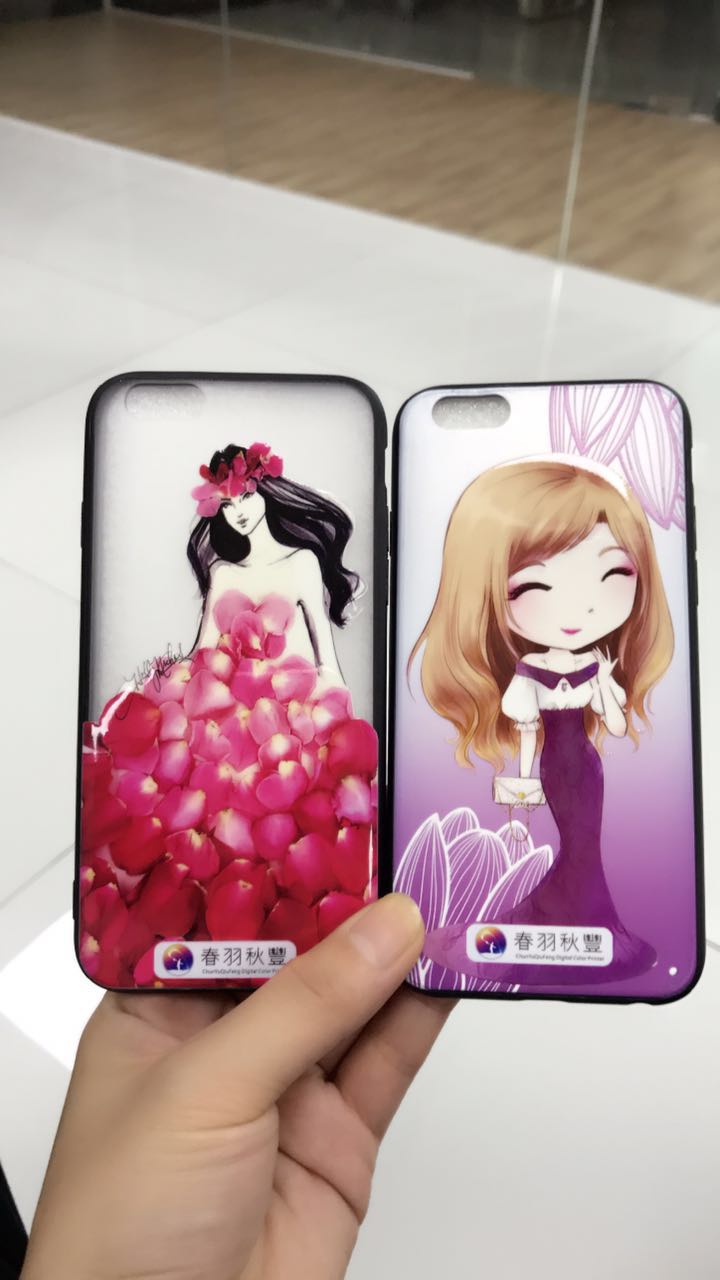
4. How many nozzles are there for each printhead?This can help you understand the speed or speed of your printer.
5. What is the total number of nozzles in the printer?The nozzle has a single nozzle that can only spray one color of the single color nozzle, and one nozzle can spray multiple colors of the multi-color nozzle.Take the Ricoh GEN5 nozzle as an example. It has two channels and four channels. When using it on a machine, you can print only one color for one nozzle, or two colors for one nozzle (two channels and four channels). Yes, you can print four colors (four-channel nozzle) in one nozzle.
6. How many printheads are there for each color?This will explain more about how slow or how fast your printer can eject ink.

8. Is there a special white ink or varnish nozzle? Are they the same model as the CMYK printhead?Because the use of larger nozzles can make white inks better, some printers only have white ink to have "white droplet size is good". Other printers use the same header for any and all colors. For varnish, it is best to ask experienced printer operators and printer designers which head is best for varnish. Processing varnish is not as easy as handling ink. On a comparable basis, make sure your white ink has a recirculation system (otherwise white particles will precipitate and clog the nozzles).
9. If this piezoelectric head fails, who is responsible for paying the replacement head? What are the most common causes of printhead failure? What are the causes of the warranty? Which printhead failure causes are not covered by the warranty? Is there a limit to the number of printhead failures covered per unit time?In the case of a user-induced failure, most manufacturers will ask the user to pay for the replacement of the printhead. Most faults are indeed user errors, the most common cause being head impact.

Monday, August 20, 2018
Can I print tiles with a uv printer?
UV flatbed printer, also known as universal flatbed printer or flatbed printer, breaks through the bottleneck of digital printing technology, and realizes a true printing, no plate making, full color image printing once, which has many advantages over traditional printing technology.
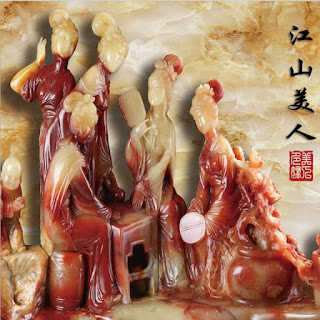 With the innovation of technology, it has been printed in all the flat materials such as glass industry, ceramic tile industry, packaging industry, advertising production, acrylic sheet, carpet printing, mobile phone shell printing, grating plate, PVC board, canvas, Thangka, etc. The scope of application is extremely wide, and it is a good choice for entrepreneurs or processing companies.
The uv printer can print the tiles. After printing the tiles, a layer of protective layer is applied. After the uv printer prints the tiles, a layer of varnish is applied to the surface of the tiles. The effect of the varnish is mainly waterproof, scratch-resistant and beautiful.
 The type of uv printer suitable for tiles is not limited. Like glazed, unglazed, matte, textured, marble and the like are common. Because the uv printer itself is not directly in contact with the tile, it is 0.5 cm away from the surface of the tile. The inkjet is used to spray the pattern on the tile surface. The non-contact printing widens the printing range of the tile.

The uv printer can print the tiles. After printing the tiles, a layer of protective layer is applied. After the uv printer prints the tiles, a layer of varnish is applied to the surface of the tiles. The effect of the varnish is mainly waterproof, scratch-resistant and beautiful.

Subscribe to:
Posts (Atom)
Our uv flatbed printer machine
-
With the rapid advancement of technology, uv flatbed printers are becoming more and more suitable for production work with the market's...
-
 The Xaar 1001 printhead has many patented design techniques that lead the development of digital inkjet decoration technology in many respec...
 -
 We all know that inkjet printheads can be divided into oily printheads, water-based printheads, and water-oil general-purpose printheads , d...